Research
Acoustic telemetry + population modeling
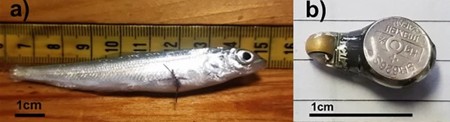
Tracking the fate of stocked fish at early life stages is challenging. In collaboration with NYS Department of Environmental Conservation, US Geological Survey, US Fish and Wildlife Service, and Cornell University, we used small tags (< 1 g) and a whole-lake acoustic telemetry array to estimate survival of juvenile Cisco (Coregonus artedi) reintroduced to Keuka Lake, NY. We combined these demographic estimates with a population viability analysis to evaluate restoration outcomes. We found high mortality for stocked fall fingerlings, likely due to stocking stress and predation by lake trout and birds, while yearlings showed relatively higher survival. Yet, projections indicate that successful restoration is unlikely without alternative stocking practices and reductions in lake trout predation. This study provides rare estimates of juvenile Cisco survival and offers insights to adapt stocking practices.
Data and R code for the population assessment.
eDNA validation
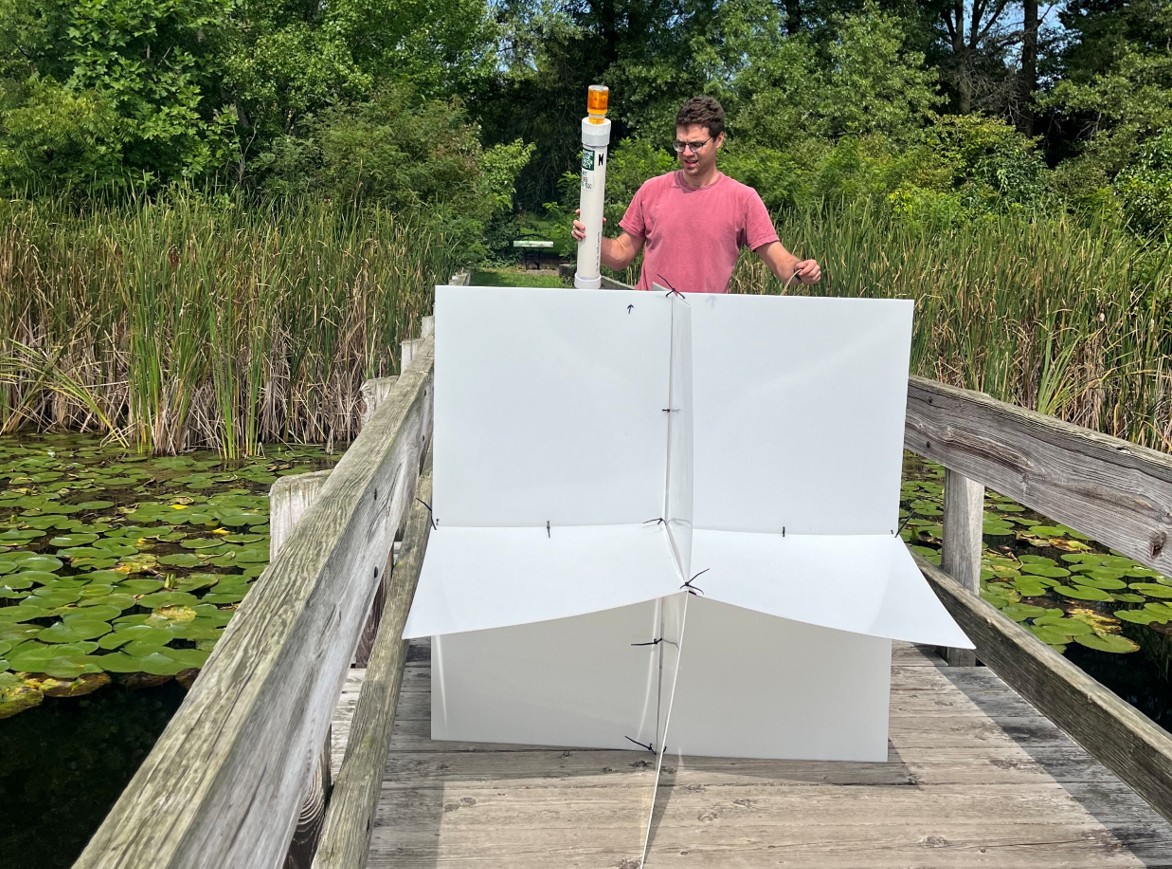
The potential for environmental DNA (eDNA) transport is well-described in streams and rivers; however, less is known about its spatial resolution in lakes. This study compared Cisco eDNA detections with acoustic telemetry data and lake currents measured using economical drifter devices built from parts available at the local hardware store. We found that Cisco eDNA was reliably detected at coarse spatial scales but was less accurate at finer resolutions. Notably, lake currents could transport eDNA several kilometers within 24 hours. These results highlight that accurate eDNA-based species distributions in lakes may require consideration of currents.
Data and code for the drifter study and the eDNA study.
Food web modeling
Coregonine (Coregonus spp.) restoration has gained attention throughout the Great Lakes basin to rebuild a native prey fish assemblage and increase the resilience of important fisheries. Yet is native fish restoration energetically feasible from an ecosystem perspective? Working with collaborators from the Centre for Ecosystem Management at University of Guelph, we are developing a linear inverse modeling approach to navigate contemporary and future food web scenarios for Lake Ontario and Keuka Lake. This work is currently in progress with funding from NY Sea Grant and the Cooperative Institute for Great Lakes Research.
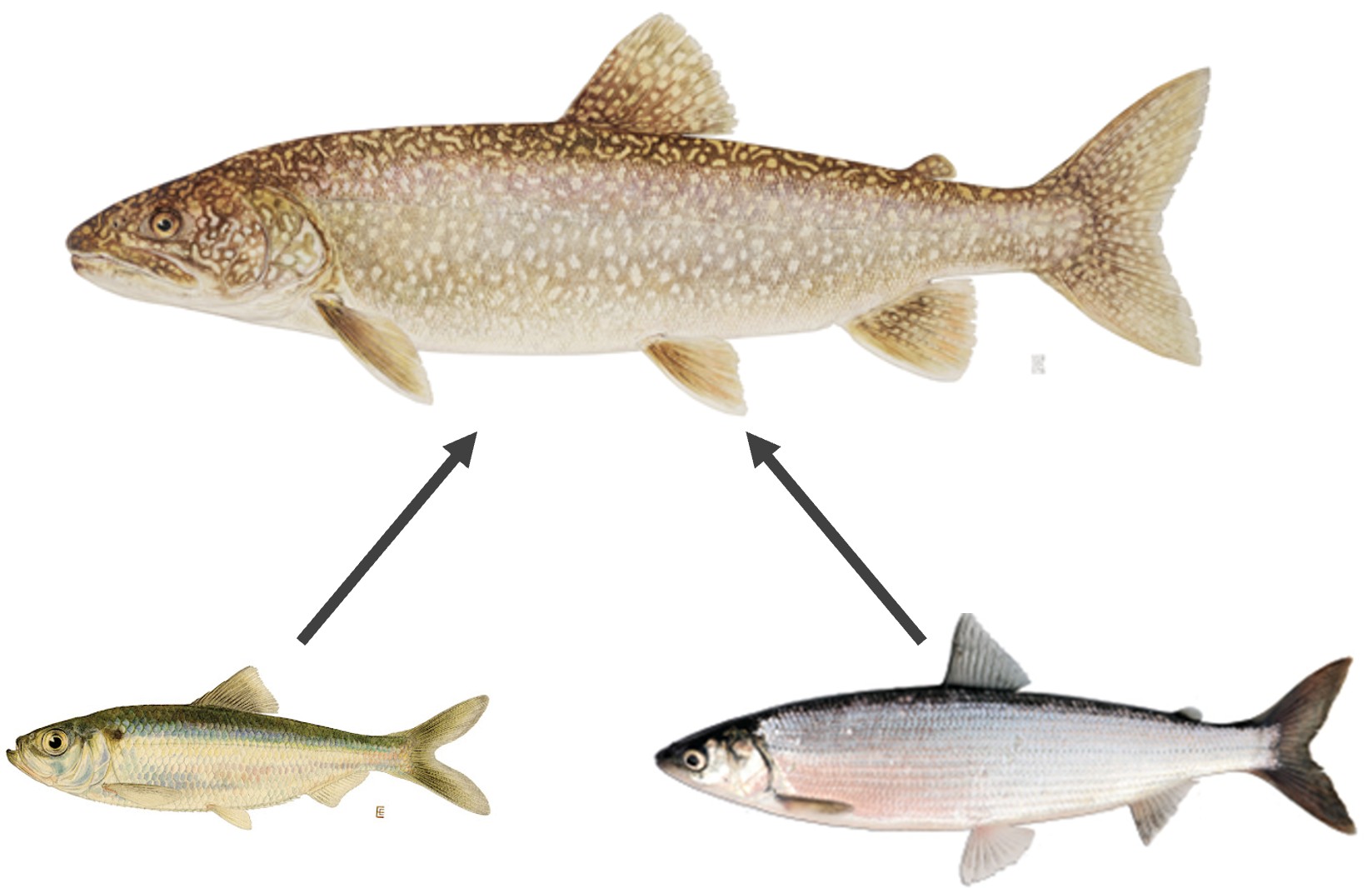
Fish image credit: E. Edmonson (Alewife, Lake Trout); R. Eshenroder (Cisco)